
From Fashion to Culture: Exploring the Allure of Latex Clothing and a Beginner’s Guide — A Journey Across Trends and Self-Expression
In many people’s perception, latex clothing often carries a strongly polarized image: some see it as a symbol of avant-garde fashion, while others associate it with more niche personal interests. Whether you are a curious newcomer exploring latex culture for the first time, or an enthusiast looking to incorporate latex into your everyday life and intimate expression, this article will guide you step by step into the world of latex—examining its cultural background, evolving fashion trends, and the shifting aesthetics of the mainstream from multiple perspectives and at greater depth.
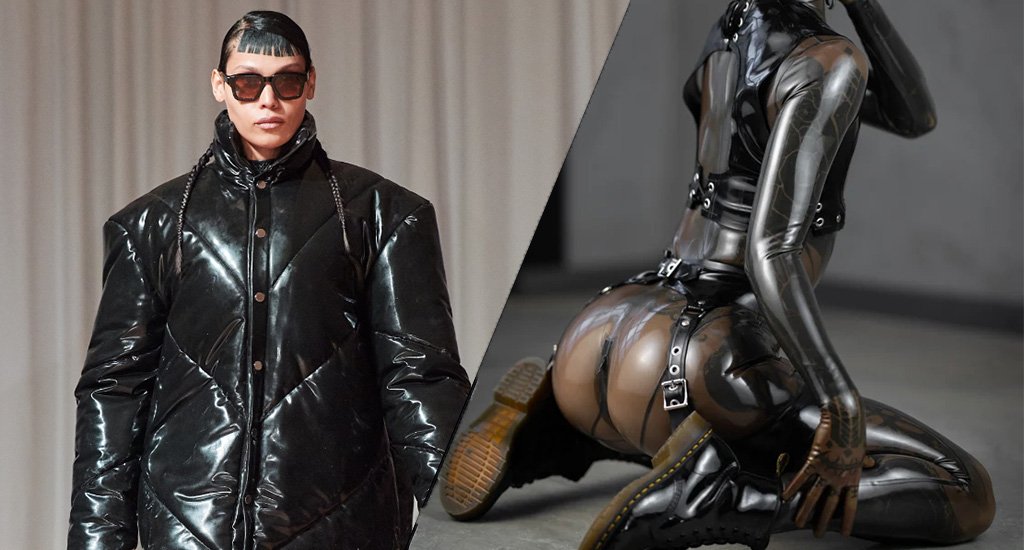
The Cultural Origins and Evolution of Latex Clothing
Latex clothing first came into public view in the mid-20th century alongside the advancement of synthetic material technologies. By the 1970s and 1980s, with the rise of punk and goth subcultures, latex began to intersect with underground music scenes and aesthetic movements, evolving into a symbol of rebellion and nonconformity. In U.S. cities such as New York and San Francisco, underground parties and club cultures further propelled the growth of latex culture, allowing a wider variety of latex styles and designs to gradually enter the public eye.
According to a study published in the <Journal of Fashion Technology & Textile Engineering>, the use of synthetic materials in apparel expanded rapidly from the 1990s onward. Latex, valued for its body-hugging fit and strong visual impact, quickly became one of the most popular materials during this period. At the same time, exposure of latex clothing within alternative fashion circles increased by approximately 45% (figures may vary depending on the original source).
In addition, the emergence of latex clothing in mainstream European pop culture during the same era encouraged broader audiences to reassess its aesthetic value, further extending its influence beyond niche communities.
Latex Fashion in American Pop Culture
In recent years, American mainstream media and the fashion industry have increasingly incorporated latex elements. Lady Gaga, for instance, has featured latex in numerous stage outfits, highlighting body contours and a futuristic aesthetic, helping to gradually bring latex from the “fringe” into the view of younger audiences. From New York to Paris Fashion Week, the presence of latex elements in the Fall/Winter 2023–2024 collections rose noticeably; for example, some high-end brand shows showcased latex jackets and pants labeled as “futuristic apparel.”




These exposures not only reflect the growing acceptance of latex clothing within mainstream fashion trends but also demonstrate its potential to cross cultural boundaries.
The Erotic Appeal of Latex Clothing and Its Value in Fetish Culture

Beyond fashion and cultural aspects, latex clothing also holds unique advantages in the realm of eroticism and fetish interests. The tight, body-hugging nature of latex enhances tactile sensations, allowing the wearer to experience a distinct feeling of being enveloped and restrained—one of the key sensory stimulations sought by latex fetishists.
Psychological research indicates that individuals with fetish interests often exhibit heightened sensitivity to specific materials, textures, or shapes, and the shine, elasticity, and unique feel of latex perfectly cater to these preferences. Compared to traditional fabrics, latex not only accentuates body contours but also simultaneously stimulates desire visually and physically, providing wearers with a more immersive erotic experience.
How Beginners Can Properly Get Started with Latex Clothing?

For those just starting to explore latex clothing, there are several key aspects to consider in order to ensure comfort, safety, and a gradual familiarity with latex culture and aesthetics:
Material Selection: Latex clothing is generally made from two types of materials: natural latex and synthetic latex. Each has its own advantages and disadvantages. For beginners, natural latex is undoubtedly the best choice due to its superior elasticity and body-hugging fit. All products sold on our site are made entirely from natural latex.
Sizing and Fit: The form-fitting nature of latex makes proper sizing the most critical factor when purchasing. We recommend that before placing an order, you carefully measure your body according to the product requirements and compare it with our provided size chart to determine the correct size. If your measurements do not match the standard sizes, you can also choose the custom sizing option.
Daily Wear and Occasion Adaptation: When incorporating latex into streetwear or everyday outfits, it’s best to start with single pieces such as jackets, skirts, or accessories, gradually exploring styling options. You don’t need to wear a full latex outfit at first; pairing a single latex piece with jeans, shirts, or knitwear can create a fashionable look while reducing psychological pressure. For erotic or private scenarios, you can try more form-fitting or design-focused pieces, selecting products that best suit your preferences and gradually experiencing the unique sensation and enveloping feel of latex.
Care and Maintenance: Latex requires careful daily maintenance. Avoid high temperatures, sharp objects, and contact with oils (including body oils and perfumes), as these can cause discoloration, cracking, or loss of shine. Cleaning is recommended with warm water and a specialized latex cleaner, and drying should be done away from direct sunlight. We also recommend using our care oil for optimal maintenance. Proper care not only extends the lifespan of your garments but also preserves both comfort and visual appeal.
Safety Warnings for Beginners Using Latex Restraints

Some latex garments are designed with breath-restriction or restraint features. Beginners should pay close attention to the following safety guidelines when using such products:
- When using products that involve breath restriction or restraint, do not use them alone. Make sure someone else is present who can take immediate action in case of an emergency.
- Do not use these products under the influence of alcohol or drugs, as impaired judgment or dulled senses may increase the risk of suffocation or other dangerous situations.
- All Latexlook products are made from natural latex. Natural latex is primarily derived from the sap of Hevea brasiliensis and contains various natural proteins that may cause allergic reactions. Individuals with a natural latex allergy must not use our products.
- For latex products involving partner interaction, ensure clear communication and mutual consent at all times, and always maintain the ability to quickly release or remove the restraints if necessary.
Conclusion
Latex clothing is more than just material and tailoring; it carries cultural significance and provides a space for personal expression. From fashion runways to private life, it is being increasingly recognized and embraced by a wider audience. Entering the world of latex culture requires patience to understand its history, design language, and contexts of wear. Most importantly, it is essential to understand that latex is not just a garment—it is an attitude that radiates from the inside out.
FAQ
Can the built-in penis, vaginal, or anal sheaths in latex clothing be used as condoms?
- No. The built-in penis, vaginal, or anal sheaths in some Latexlook products cannot be used as condoms. They do not provide contraceptive protection nor protection against sexually transmitted infections such as HIV or syphilis.
How can I keep my latex clothing shiny?
- For this, we recommend using Latexlook’s dedicated care oil. Take a small amount of the care oil on a soft cloth or sponge and gently apply it evenly over the surface of the latex garment. This not only prevents the latex from drying and cracking but also restores its shine and extends the garment’s lifespan. After applying, let it sit for 1–2 minutes to allow the oil to absorb.
As a beginner, what thickness of latex clothing should I choose?
- We have prepared a table to help buyers choose latex garments of different thicknesses:
| Thickness | Suitable Products | Recommended For | Price | Features |
|---|---|---|---|---|
| 0.25 mm | Some tight tops, gloves, etc. | Advanced players who want to experience skin-like texture | $100–250 | Very thin and light, excellent tactile feel, but prone to tearing and harder to maintain |
| 0.4 mm | Most bodysuits and some hoods | Beginners who want to experience form-fitting latex | $100–300 | Suitable for most latex garments, wide variety of styles, hugs the body |
| 0.6–0.8 mm | Some jackets, suits, trench coats, jeans, etc. | Latex enthusiasts interested in everyday wear | $200–600 | Thicker material, easier to put on and take off, easy to maintain |
| 0.8 mm+ | Certain belts, corsets, and specialized products | Players who enjoy freedom in mixing and matching | $200–1000 | Very thick, sturdy, highly durable, not easily damaged |
- You can choose the thickness and style according to your needs. For beginners, 0.4 mm is ideal—it offers a rich variety of styles, is easy to put on and take off, is less prone to damage, and is easy to maintain.